Pine nut flakes for hypertension

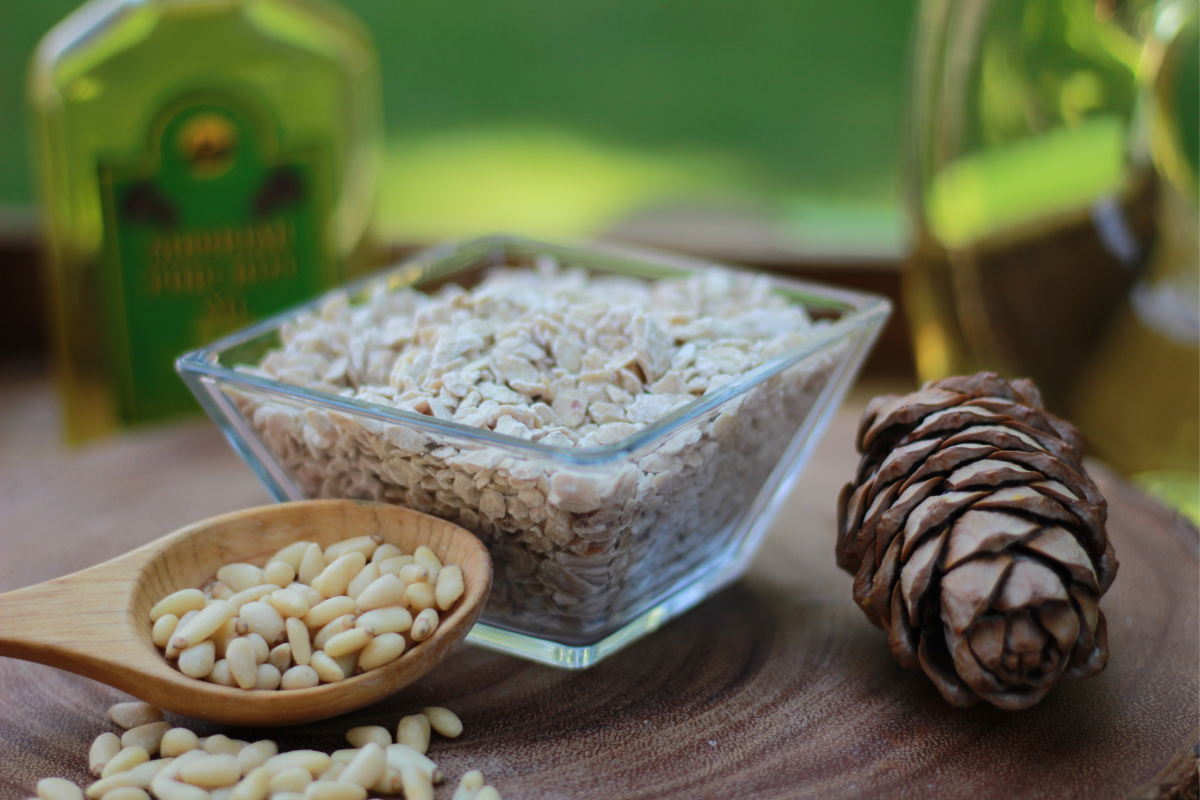
According to the WHO, high blood pressure is a major risk factor for heart attacks and strokes. With growing awareness of the importance of a healthy lifestyle and the search for natural ways to maintain health, pine nut flakes are attracting increasing attention as a potential aid in managing hypertension.
Pine nut flakes contain a high concentration of beneficial substances that help normalize blood pressure. Thanks to polyunsaturated fatty acids, B vitamins, minerals, and arginine, it promotes the production of nitric oxide, which relaxes blood vessels and lowers blood pressure. In addition, the meal strengthens the walls of blood vessels, increases their elasticity, and has an anti-inflammatory effect, which slows down the development of atherosclerosis. Regular consumption of pine nut flakes can be a natural addition to complex therapy for hypertension, improving the lipid profile and overall condition of the cardiovascular system
The chemical composition of pine nut flakes and its effect on the vascular system
Despite the fact that most of the fat is removed during the processing of pine nuts, the meal retains a high concentration of valuable nutrients. Its nutritional value is due to the presence of polyunsaturated fatty acids and vitamins, such as B vitamins (thiamine, riboflavin, niacin, pyridoxine), which are involved in metabolic processes, including energy metabolism and neurotransmitter synthesis. It also contains minerals and arginine, which is a precursor to nitric oxide (NO), a molecule that plays a critical role in regulating vascular tone. Nitric oxide causes the smooth muscles of blood vessels to relax, leading to their dilation and a decrease in blood pressure.
Strengthening of vessel walls and increased elasticity
A complex of PUFAs, vitamins, and antioxidants helps restore and maintain the integrity of the endothelium, reducing the permeability of the vascular wall to cholesterol and other lipids and slowing the development of atherosclerotic plaques. Improved vascular elasticity allows blood vessels to adapt more effectively to changes in blood pressure, preventing sudden spikes. According to the European Society of Cardiology (ESC), reducing arterial stiffness is an important factor in the prevention of cardiovascular diseases.
Mild reduction in blood pressure
- Vasodilatory effect: Arginine, by converting into nitric oxide, directly contributes to vasodilation. This effect, combined with the action of magnesium and potassium, leads to a reduction in total peripheral vascular resistance and, as a result, to a reduction in blood pressure[1].
- Anti-inflammatory effect: Chronic inflammation in the vascular wall is one of the factors contributing to the development and progression of hypertension. Omega-3 fatty acids and antioxidants in pine nut flakes have pronounced anti-inflammatory properties, reducing vascular damage and improving vascular function.
- Improvement of lipid profile: Omega-3 fatty acids can lower triglyceride levels [2] and also have a moderate effect on “bad” cholesterol (LDL) levels. Normalization of the lipid profile is an important component of complex therapy for hypertension, since dyslipidemia often accompanies this disease.
REFERENCES
[1] L-Arginine and B vitamins improve endothelial function in subjects with mild to moderate blood pressure elevation. Daniel Menzel et al.
[2] Triglyceride lowering by omega-3 fatty acids: a mechanism mediated by N-acyl taurines. Karin E Bornfeldt.
These articles come directly from researchers and are passed on to everybody. siberianpinenutoil.org assumes no liability for any content in these articles. For Educational purposes only. This information has not been evaluated by the Food and Drug Administration. This information is not intended to diagnose, treat, cure, or prevent any disease.